What Is a Zone Captain?
On large events, one captain cannot see every room. A zone captain owns a defined area: its staff, its timing, and its guests. Here is how the role works and when you need one.
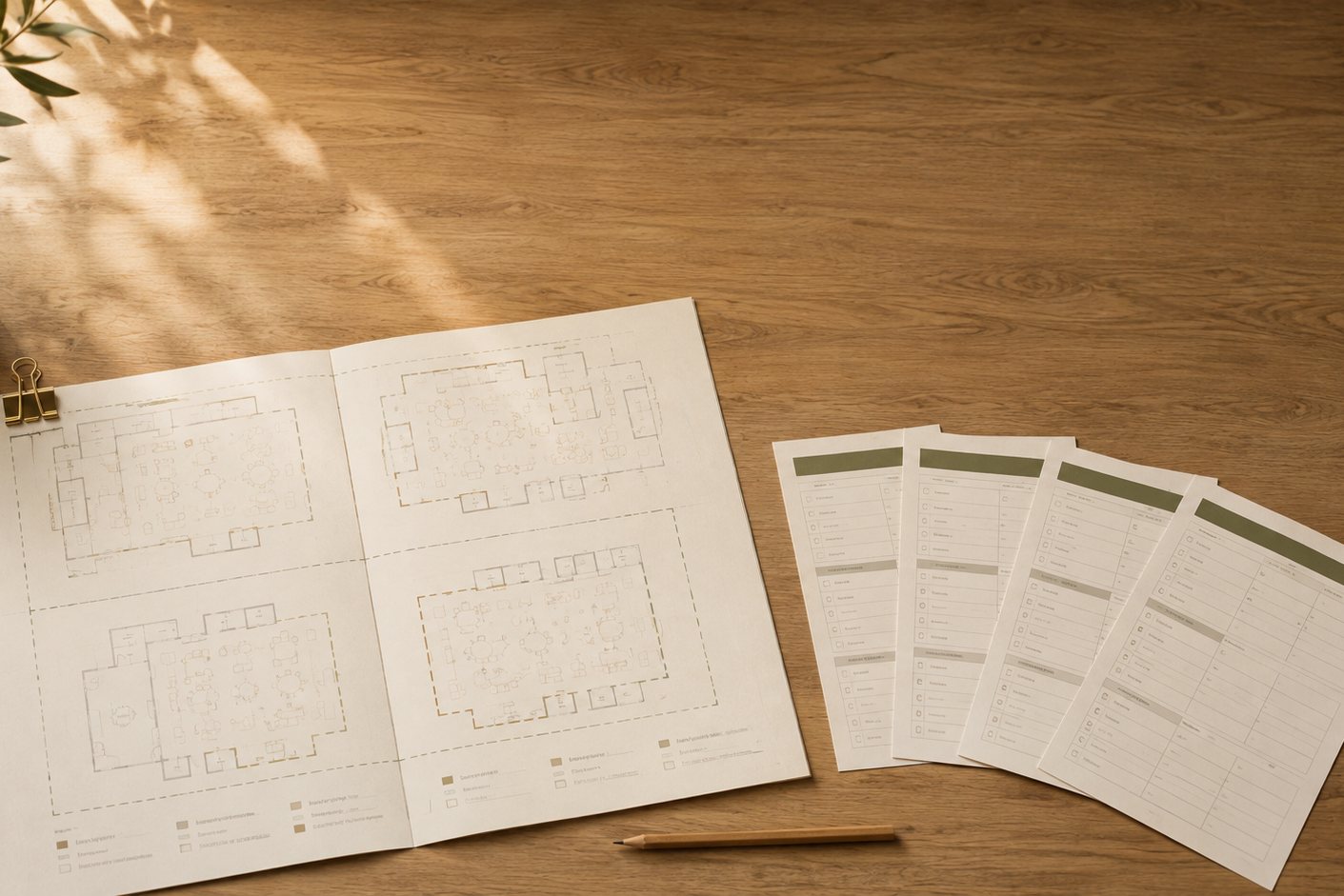
A zone captain is a senior staff member assigned to lead a specific section of an event, reporting to the Lead Captain who manages the room as a whole. Their job is to own everything that happens in their zone: the staff, the pacing, the guest experience, and communication back up the chain.
If you have ever run a 300-person plated dinner and wondered how one person is supposed to watch every table, every server, and every heat lamp at the same time, that is the problem zone captains solve.
What a Zone Is
A zone is a defined section of an event space assigned to a single captain for the duration of service. It might be a section of tables in a ballroom, a full room in a multi-room event, a service-style area (plated dinner on one side, buffet on the other), or a floor in a complex venue.
The exact boundaries depend on your layout, your headcount, and how much is happening in each area. What matters is that every guest and every staff member in that zone has exactly one captain to answer to.
Zone size is not fixed. A tight plated dinner in a venue with hard sight lines might split 200 guests into three zones of roughly 65 each. A large open-air reception might split the room in two based on bar placement. Let the floor plan and the service style guide where you draw the lines, not a preset number.
What a Zone Captain Owns
Zone captains are not senior servers with a title. They are running a small event inside the larger one. Within their zone, a zone captain is responsible for:
- Setup and pre-service. Making sure their section is correct before guests walk in: linen, flatware, glassware, centerpieces, specialty items. They are the last set of eyes on their zone before service starts.
- Their staff. They know who is working their section, what each person is assigned to, and how they are performing. If someone is slow, missing, or confused, the zone captain handles it rather than escalating to the Lead for every small thing.
- Service pacing. In a plated dinner, zone captains control the timing of their section's courses. They signal when their zone is cleared and ready to receive the next course, and they make sure no table sits empty while another is being cleared.
- Guest experience. A dietary issue, a complaint, a water glass that has been empty too long. The zone captain catches it and fixes it. If it affects the whole event, they report up. If it stays in the zone, they handle it.
- Breakdown and closeout. When service ends, the zone captain supervises breakdown for their section and confirms completion to the Lead.
How Zone Captains Communicate with the Lead Captain
The Lead Captain manages the event as a whole: pacing, client contact, kitchen communication, and any call that affects the full room. Zone captains own their section and communicate up, not sideways.
If there is a problem in Zone 2, the Zone 2 captain tells the Lead. The Lead decides whether it affects the other zones. This keeps information moving without cross-talk and prevents the Lead from getting pulled in four directions at once by four different staff members.
In practice, that communication looks like quick verbal check-ins at the start of each service phase ("Zone 2 is plated and ready"), a flag when something is off ("Zone 2 is running two minutes behind"), and a confirmation when the zone closes ("Zone 2 is clear"). Walkie-talkies or earpieces help on large events, but most zone captains run this on volume and positioning. The Lead Captain stays positioned where they can see all zone captains. Zone captains stay visible to their zone.
Assigning Zones Before the Event
Zone assignments should happen during the pre-event walkthrough or captain briefing, not improvised at load-in. Before service, the Lead Captain should walk the space with a floor plan, draw zone boundaries based on table count and sight lines, assign a captain to each zone, and run through the communication protocol: how check-ins will happen, what ready looks like, and what the Lead Captain wants to hear about immediately versus handle later.
A zone captain who walks into an event without knowing their section is a zone captain in name only. The structure only works when everyone knows their piece of the room before guests arrive.
On staff ratios, there is no universal number, but one zone captain for every 8 to 12 servers is a reasonable starting point, depending on service style and venue. Plated service with tight timing needs a tighter ratio. If a zone has more staff than one captain can realistically supervise and communicate with, it is too big. Split it.
When Zone Leadership Makes Sense
Not every event needs zone structure. Here is when it earns its place.
- Large plated dinners. The clearest use case. Once you are past roughly 150 guests at a seated dinner, one captain cannot watch every table, cue every server, and manage kitchen communication simultaneously. Two or three zones give each section real leadership and keep the back of the room from feeling like an afterthought.
- Multi-room events. If cocktail hour is happening in one room while the dinner space is being set in another, someone needs to own each space. The Lead Captain cannot be in two places. A zone captain per room keeps both running without pulling the Lead back and forth.
- Large cocktail receptions. High-headcount cocktail service is harder to manage than a seated dinner because the room is in constant motion: passed apps, multiple bar stations, standing guests who move. Zone structure lets you divide coverage so staff are not clustering in one corner while another section goes unattended.
- Complex venues. A multi-level venue, a layout with hard sight lines, an outdoor space that is separated from the main room. If the Lead Captain cannot see a section of the event from any single standing position, that section needs its own captain.
- Events with mixed service styles. Plated dinner on one side, buffet on the other. The pacing and staffing logic for each style are different, and a single captain trying to manage both will be pulled in competing directions all night.
When It Is Overkill
Zone captains add structure, and structure adds complexity. For smaller or simpler events, that trade is not worth it.
- The guest count is manageable for one captain. Under roughly 100 guests at a seated dinner, an experienced Lead Captain can cover the room. Adding zone titles does not improve service when the Lead can already see every table.
- The layout is simple and open. A single ballroom with good sight lines and a predictable service flow does not need divided oversight. The Lead Captain can own the whole room and stay in contact with all staff.
- The event is informal or buffet-only. Walk-up buffets, casual receptions, and self-service-heavy formats do not have the pacing demands that make zone captains useful. Coverage matters; formal zone structure usually does not.
- Your staff are not ready to lead independently. Zone captains need to make real decisions without checking in constantly. If your most senior person on a given event is not there yet, giving them a zone will not change that. Better to run a single-captain structure and keep oversight close.
A Note on Titles
Zone captain is not a universal term. Some operations call them section captains, floor captains, or just senior servers with section assignments. The title matters less than the structure: one person per zone, a clear chain of command to the Lead, real ownership over what happens in that section. However your team labels it, the role is the same.
More on Captain Structure
Zone captains work inside a broader event captain framework. If you are thinking through how to build or train your captain team, the Event Captain Resources collection covers the full system, from pre-event briefing through breakdown and closeout.
Finish the job
Position Assignment Generator
Turn your staffing numbers into a real event deployment plan.
Keep going, related on Click to Table