How Many Drinks Per Guest for an Event?
Beverage planning is more than the bar. Here's how to size water, coffee, soft drinks, and alcohol so no one goes thirsty and nothing goes to waste.
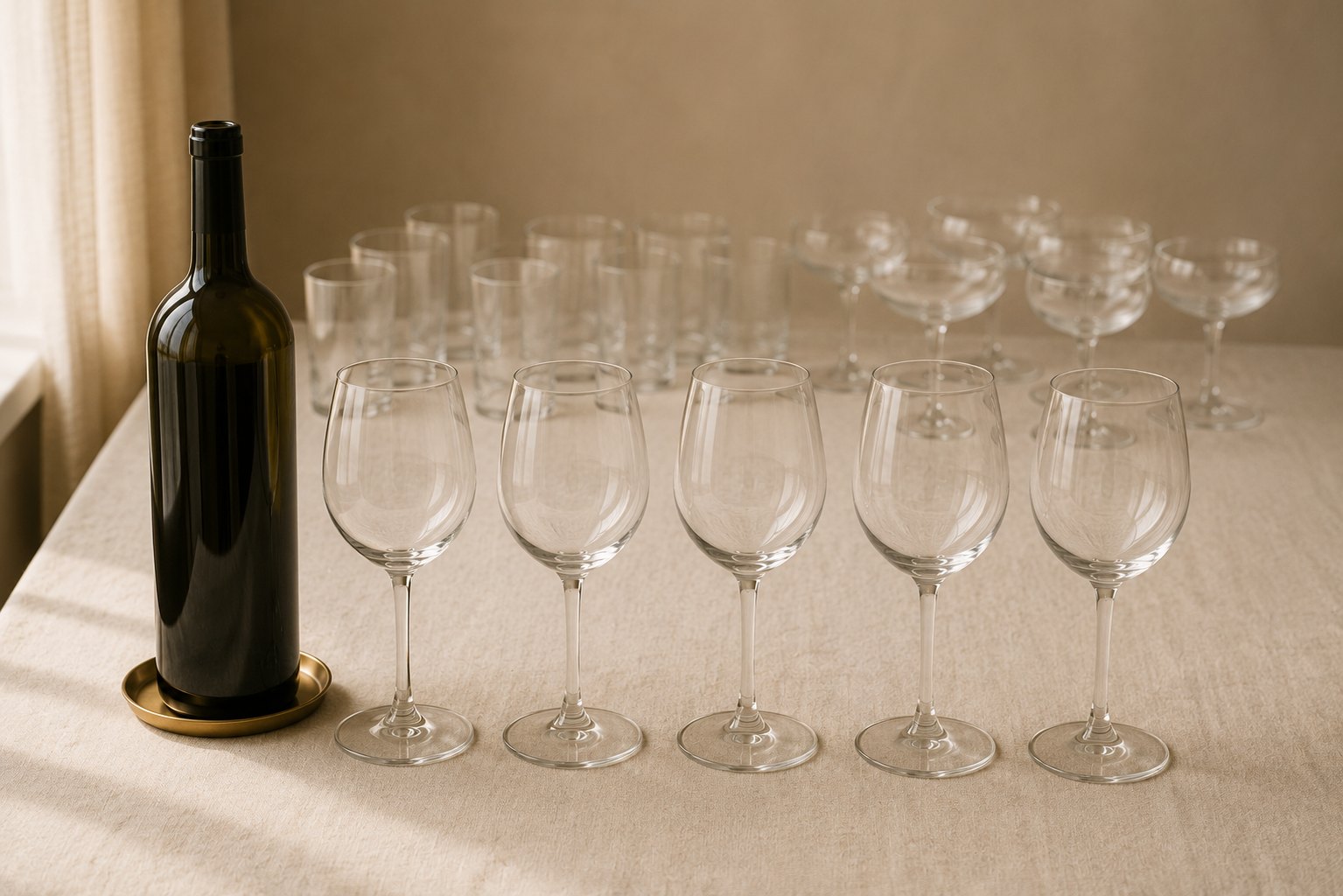
Ask about beverages and most people think about the bar. But the drinks that quietly make or break an event are the ones no one plans for: the water on a hot afternoon, the coffee at a morning conference, the soft drinks the kids empty by noon. A good beverage plan sizes all of it, not just the alcohol.
Start with one drink, per guest, per hour
The workhorse rule for total beverage demand is about one drink per guest per hour, across everything. Consumption is heaviest in the first hour and settles after, so a four-hour event isn't four full drinks, it's closer to the first hour at full pace and the rest at roughly three-quarters. From that total, you split across the beverages you're actually serving.
Water is the one you can't underestimate
Water demand swings more than any other category. A cool indoor dinner needs a modest amount; a hot outdoor afternoon can double it, and serving alcohol pushes it higher still because guests need to hydrate between drinks. When in doubt, plan more water: it's cheap, it's expected, and running out of it on a warm day is the fastest way to look unprepared.
Coffee and juice follow the clock
Time of day decides your hot-beverage plan. A morning meeting or conference can go through nearly a cup of coffee per guest; an evening reception barely touches it. Brunch leans on coffee and juice together, while an evening crowd shifts toward alcohol and soft drinks. Plan the categories to the hour, not just the headcount.
Alcohol: match the bar to the event
How much alcohol depends on the crowd and the format. A celebratory wedding drinks more than a corporate lunch; an open full bar moves more than beer and wine alone. A useful split for a mixed full bar is roughly beer, wine, and cocktails in a 40 / 35 / 25 ratio, with a bottle of wine pouring about five glasses and a bottle of champagne about six flutes for the toast. Then remember the ice, which climbs with both the drinks and the weather.
“Guests forgive a lot. They don't forgive a warm drink and an empty water pitcher.”
How much alcohol for 100 guests
Start from total drinks, not bottles. Plan about one drink per guest in the first hour, then three-quarters of a drink per guest each hour after. For 100 guests over four hours that is 1 + 0.75 x 3, or 3.25 drinks each, about 325 drinks. For a full bar, split those roughly 40 percent beer, 35 percent wine, and 25 percent cocktails, which lands near 130 beers, 114 glasses of wine, and 81 cocktails. A 750ml bottle pours about five glasses, so 114 glasses is about 23 bottles of wine. These are planning starting points; the Beverage Planner sets the exact bottle counts against your duration, time of day, and crowd.
Let the planner size all of it
The Beverage Planner turns your guest count, duration, time of day, weather, event type, and bar setup into a full plan: gallons and dispensers for water, urns for coffee, cans for soft drinks, bottles for wine and champagne, an ice estimate, and a service checklist of the mixers, garnishes, and supplies to bring. It even shows the assumptions behind every number.
Finish the job
Beverage Planner
Plan every drink for the event, alcoholic and not, with a service checklist.
Frequently asked questions
How much alcohol do you need for 100 guests?
How much beer and wine for 100 guests for 2 hours?
How many bottles of wine for 100 guests?
How much water do you need if you are serving alcohol?
Keep going, related on Click to Table